


Regenerative Agriculture
Working with Regenerative Agriculture Experts around the world to consult, partner with, and own Properties around the world that have been degraded by historic uses.

Ecolonomic Action Team (EAT)

Mountain Sky Ranch Collaborative
Ten years after it’s purchase by Dorband & Associates this beautiful Rocky Mountain ranch has appreciated in value over 10X and currently generates revenues from many business units. IOE is facilitating a collaborative living model on the ranch.

Marine Shrimp Production Facilities

Community Scale Aquaponic Systems

Sustainable Aquaculture Systems
About Us

The Institute of Ecolonomics, LLC (IOE) is committed to discovering and furthering the most sensible green innovations. Founded by the deceased actor, Dennis Weaver, in 1993, we work with ecopreneurs that are striving to make the planet better.
Dennis used to say in his cowboy sort of way – “We’ve spent billions of dollars and thousands of years messin’ the planet up, now we need to show people how to make it better and make a little money too.” Through applied research and a thorough vetting process, our objective is to cultivate as many validated businesses into the market as possible.
Prior to receiving our endorsement, each endorsed entity will have received the Ecolonomic Seal of Approval. This Seal assists businesses and consumers with confidence, providing education and knowledge on the benefits of each technological advancement available. Each company endorsed by the Institute of Ecolonomics is considered a Partner.
Some entities are new and informal, while others are seasoned, attempting to generate a broader awareness in the public. Often times, younger entities are seeking capital to assist with their start-up or infancy stage. The Institute of Ecolonomics works closely with various investors who provide consideration for those projects having received the Seal of Approval.
Our role is to independently inform the consumer of the reasons each company has received the Ecolonomic Seal of Approval, providing the outcome of our research and benefits offered. Typically, the results are staggering. At this point, we simply provide a link to our partners, the subject experts.
Regardless, the Institute of Ecolonomics is heralded as the trusted source for promoting the major contributors who are bolstering our economy and simultaneously protecting our planet. Should you be aware of any organization or project that may be of interest to the Institute of Ecolonomics, please be sure to tell us about them.
Read Our Recent Blogs
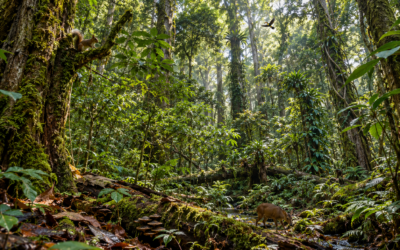
Forest Canopy Layers and Wildlife Habitat: Why Vertical Structure Matters
Forests provide habitat from the tallest tree crowns to the forest floor. Learn how canopy layers, understory plants, gaps, mature trees, and structural diversity support wildlife.
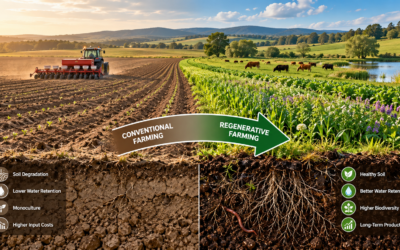
Transitioning From Conventional to Regenerative Farming: A Practical Step-by-Step Approach
Moving from conventional to regenerative farming does not require changing everything at once. Learn how farmers can assess current conditions, improve soil health, diversify crops, manage livestock, and introduce regenerative practices gradually.
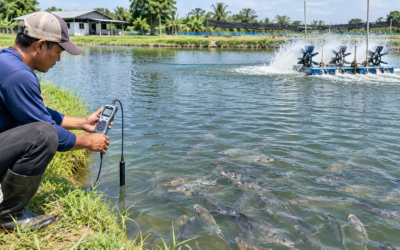
Fish Pond Water Quality Management for Better Growth and Disease Prevention
Good water quality is essential for healthy fish and productive ponds. Learn how dissolved oxygen, temperature, pH, ammonia, feeding, and water exchange affect growth and disease risk.
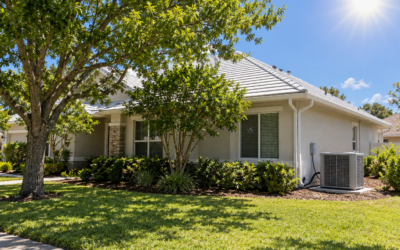
Climate Change and Rising Household Cooling Costs: How Homes Can Adapt
Hotter temperatures and longer cooling seasons are increasing household electricity demand. Learn how insulation, efficient equipment, roof design, ventilation, and shade can help keep homes comfortable while controlling cooling costs.
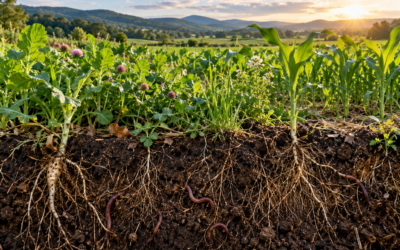
Building Healthy Topsoil Through Regenerative Farming
Healthy topsoil is the foundation of productive farming. Learn how cover crops, living roots, crop diversity, organic matter, reduced disturbance, and erosion control can help rebuild and protect soil.

Understanding Rainfall Partitioning in Forest Ecosystems: Where Does the Water Go?
Rain does not simply fall straight through a forest. Learn how tree canopies divide rainfall into interception, throughfall, and stemflow—and why these pathways matter for soil moisture, nutrients, plant growth, and forest health.

The “Coach” Idea: What Consumer AI Gets Right (and Still Gets Wrong) About Catching Problems Early
AI health coaches can turn wearables, health records, and everyday observations into useful guidance. But the real test is whether they help people recognize problems earlier—and connect with qualified human care when it matters.
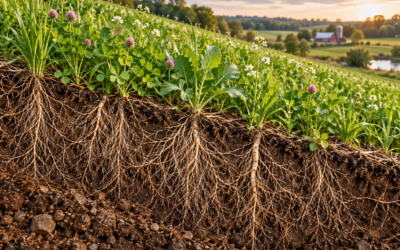
Understanding Root Systems and Soil Structure: How Roots Build Healthier Soil
Healthy soil begins below the surface. Plant roots do much more than hold crops in the ground. They actively shape the soil around them, creating channels, supporting microorganisms, contributing organic matter, and influencing how water and air move through the soil....
Pruning Machines: The Essential Guide to Choosing the Right Equipment
Choosing the right pruning machines is a critical decision for professionals in landscaping, agriculture, forestry, and municipal maintenance. Whether you manage hedges along country roads, maintain orchards, care for public green spaces, or handle large-scale...
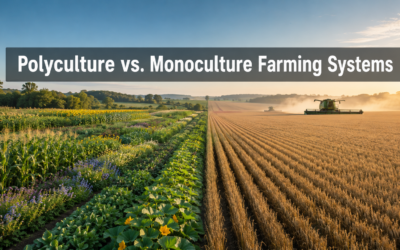
The Ultimate Guide to Polyculture vs Monoculture in Sustainable Farming
Polyculture vs. Monoculture Farming Systems When farmers plan a field, they must decide not only what to grow but also how many crops to grow. This choice affects machinery, labor, soil health, pest pressure, income, and polyculture vs. monoculture farming....