

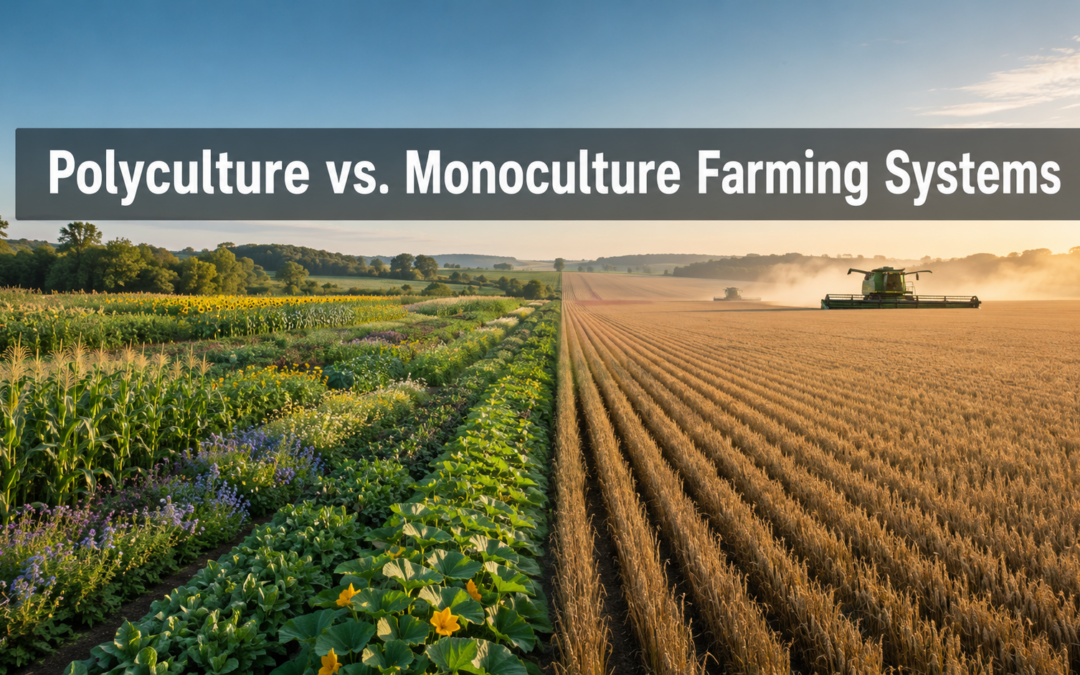
The Ultimate Guide to Polyculture vs Monoculture in Sustainable Farming
Polyculture vs. Monoculture Farming Systems When farmers plan a field, they must decide not only what to grow but also how many crops to grow. This choice affects machinery, labor, soil health, pest pressure, income, and polyculture vs. monoculture farming....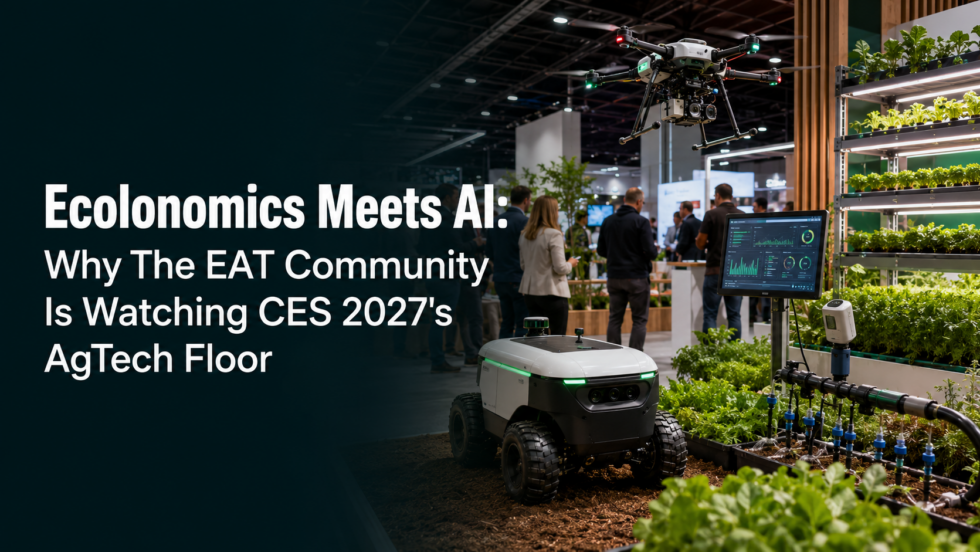
Ecolonomics Meets AI: Why The EAT Community Is Watching CES 2027’s AgTech Floor
CES 2027 runs January 6–9 in Las Vegas. The show is still best known for televisions, chips, and consumer gadgets — but its agriculture and climate-tech presence has grown into one of the more substantive stories on the floor. For the EAT Community, built on Dr. Wayne...
Beyond the Scribe: What a Real “Co-Pilot” for Care Advisors Would Have to Do
Ambient AI documentation tools have quietly become one of the biggest wins artificial intelligence has delivered inside U.S. healthcare. Clinicians spend an estimated 40–50% of their workday on documentation (Awesome Agents), and a fast-growing set of tools—including...
Understanding the Role of Sustainability in Marketing
Sustainability has become a powerful selling point. Today, labels, packaging, and advertising campaigns often highlight eco-friendly practices, ethical sourcing, and reduced environmental impact. On the surface, this shift looks positive. However, in many cases,...
AI for Ecopreneurs Build More Profitable and Planet-Positive Businesses
Why AI for Ecopreneurs Matters More Than Ever AI for ecopreneurs is opening a new era of opportunity for businesses that want to make money while making the planet better. For years, environmental entrepreneurs have faced a common challenge: too much data, too much...Click Here To Join EAT – Our Online Learning Community

Join our EAT Community