


Regenerative Agriculture
Working with Regenerative Agriculture Experts around the world to consult, partner with, and own Properties around the world that have been degraded by historic uses.

Ecolonomic Action Team (EAT)

Mountain Sky Ranch Collaborative
Ten years after it’s purchase by Dorband & Associates this beautiful Rocky Mountain ranch has appreciated in value over 10X and currently generates revenues from many business units. IOE is facilitating a collaborative living model on the ranch.

Marine Shrimp Production Facilities

Community Scale Aquaponic Systems

Sustainable Aquaculture Systems
About Us

The Institute of Ecolonomics, LLC (IOE) is committed to discovering and furthering the most sensible green innovations. Founded by the deceased actor, Dennis Weaver, in 1993, we work with ecopreneurs that are striving to make the planet better.
Dennis used to say in his cowboy sort of way – “We’ve spent billions of dollars and thousands of years messin’ the planet up, now we need to show people how to make it better and make a little money too.” Through applied research and a thorough vetting process, our objective is to cultivate as many validated businesses into the market as possible.
Prior to receiving our endorsement, each endorsed entity will have received the Ecolonomic Seal of Approval. This Seal assists businesses and consumers with confidence, providing education and knowledge on the benefits of each technological advancement available. Each company endorsed by the Institute of Ecolonomics is considered a Partner.
Some entities are new and informal, while others are seasoned, attempting to generate a broader awareness in the public. Often times, younger entities are seeking capital to assist with their start-up or infancy stage. The Institute of Ecolonomics works closely with various investors who provide consideration for those projects having received the Seal of Approval.
Our role is to independently inform the consumer of the reasons each company has received the Ecolonomic Seal of Approval, providing the outcome of our research and benefits offered. Typically, the results are staggering. At this point, we simply provide a link to our partners, the subject experts.
Regardless, the Institute of Ecolonomics is heralded as the trusted source for promoting the major contributors who are bolstering our economy and simultaneously protecting our planet. Should you be aware of any organization or project that may be of interest to the Institute of Ecolonomics, please be sure to tell us about them.
Read Our Recent Blogs

The Ultimate Guide to Small Dumpster Rental for Homeowners: How to Save Money and Avoid Hidden Fees
Why Small Dumpster Rental for Homeowners Is a Game Changer Small dumpster rental for homeowners can completely transform how you manage a home cleanup or renovation project.Whether you’re remodeling a bathroom, clearing out your garage, or tackling your first...

Why Forest Gaps Become Nurseries for the Strongest Trees
Forest Gaps are one of nature’s smartest designs. When a tree falls and sunlight reaches the forest floor, new life begins. These open spaces act as nurseries where young, resilient trees take root, wildlife flourishes, and biodiversity thrives. Far from being signs...

From Weeds to Riches: The Regenerative Farming Approach
Regenerative farming is transforming the way we think about agriculture by turning challenges into opportunities. Instead of relying on chemicals and machinery to fight nature, regenerative farmers harness natural processes to build healthier soils, improve...

Why Climate Change Is Reshaping the Future of Freshwater
Freshwater is the foundation of life. But with climate change accelerating, the systems that deliver clean and reliable water are under threat. From shifting rainfall to shrinking rivers, access to freshwater is no longer guaranteed. And that means everything from...

Urban Agricultural Innovations – Sustainable Solution for Food Production in Cities
Urban farming is transforming food production by utilizing vertical farms, rooftops, and vacant urban spaces. This innovative approach brings fresh produce closer to consumers, reduces carbon emissions, and helps cities adapt to the challenges of rapid urbanization....

Ways of Enhancing Urban Green Spaces for Climate Change Mitigation
Urban green spaces are increasingly being recognized as essential assets for cities. Beyond their aesthetic value, they play a vital role in climate change mitigation, biodiversity support, and improving community well-being. From parks and community gardens to green...
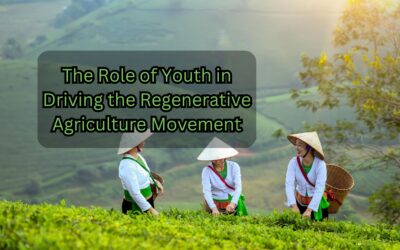
The Role of Youth in Driving the Regenerative Agriculture Movement
Regenerative agriculture is emerging as a powerful alternative to industrial farming in the face of climate change, soil degradation, and food insecurity. Across the globe, young people are taking the lead—bringing creativity, activism, and hands-on experience to...
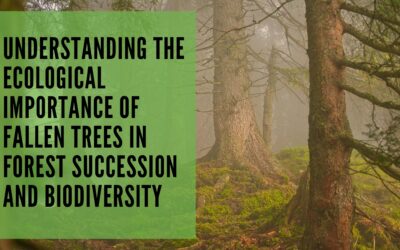
Understanding the Ecological Importance of Fallen Trees in Forest Succession and Biodiversity
The decline of forest habitats demands urgent attention because biodiversity loss has profound impacts on ecosystem stability. While fallen trees are often seen as waste or signs of decay, they are in fact essential pillars of thriving forest ecosystems. These...

Forest Biodiversity Conservation: Why It Matters and How You Can Help
Forest biodiversity conservation is more than just saving trees—it's about protecting the web of life that sustains us all. Forests are home to millions of species, and each plant, animal, and microbe plays a critical role in keeping ecosystems healthy. But as forests...

Regenerative Agriculture Works—So Why Isn’t Everyone Doing It?
Let’s face it: we all want a healthier planet. And when it comes to food production, regenerative agriculture is one of the most promising ways to get there. It builds soil. It stores carbon. It boosts biodiversity. It can even make farms more resilient to extreme...