


Regenerative Agriculture
Working with Regenerative Agriculture Experts around the world to consult, partner with, and own Properties around the world that have been degraded by historic uses.

Ecolonomic Action Team (EAT)

Mountain Sky Ranch Collaborative
Ten years after it’s purchase by Dorband & Associates this beautiful Rocky Mountain ranch has appreciated in value over 10X and currently generates revenues from many business units. IOE is facilitating a collaborative living model on the ranch.

Marine Shrimp Production Facilities

Community Scale Aquaponic Systems

Sustainable Aquaculture Systems
About Us

The Institute of Ecolonomics, LLC (IOE) is committed to discovering and furthering the most sensible green innovations. Founded by the deceased actor, Dennis Weaver, in 1993, we work with ecopreneurs that are striving to make the planet better.
Dennis used to say in his cowboy sort of way – “We’ve spent billions of dollars and thousands of years messin’ the planet up, now we need to show people how to make it better and make a little money too.” Through applied research and a thorough vetting process, our objective is to cultivate as many validated businesses into the market as possible.
Prior to receiving our endorsement, each endorsed entity will have received the Ecolonomic Seal of Approval. This Seal assists businesses and consumers with confidence, providing education and knowledge on the benefits of each technological advancement available. Each company endorsed by the Institute of Ecolonomics is considered a Partner.
Some entities are new and informal, while others are seasoned, attempting to generate a broader awareness in the public. Often times, younger entities are seeking capital to assist with their start-up or infancy stage. The Institute of Ecolonomics works closely with various investors who provide consideration for those projects having received the Seal of Approval.
Our role is to independently inform the consumer of the reasons each company has received the Ecolonomic Seal of Approval, providing the outcome of our research and benefits offered. Typically, the results are staggering. At this point, we simply provide a link to our partners, the subject experts.
Regardless, the Institute of Ecolonomics is heralded as the trusted source for promoting the major contributors who are bolstering our economy and simultaneously protecting our planet. Should you be aware of any organization or project that may be of interest to the Institute of Ecolonomics, please be sure to tell us about them.
Read Our Recent Blogs
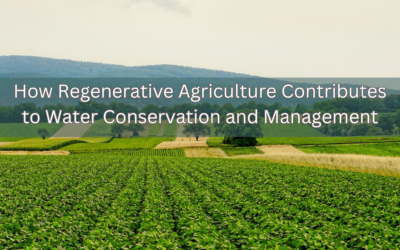
How Regenerative Agriculture Contributes to Water Conservation and Management
Water scarcity is one of today’s most pressing challenges, and regenerative agriculture is proving to be an essential part of the solution. When we think about water conservation, it's natural to picture shorter showers or using low-flow faucets. But did you know that...
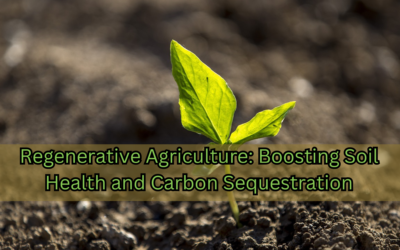
Regenerative Agriculture: Boosting Soil Health and Carbon Sequestration
Regenerative ag is transforming the way we think about farming and the environment. By focusing on methods that restore soil health, improve biodiversity, and sequester carbon, regenerative ag addresses key challenges posed by industrial farming. Techniques like cover...

Tackling Air Pollution: Practical Solutions for Cleaner Air
Air pollution is a pressing issue affecting millions of people globally, leading to serious health problems such as respiratory and cardiovascular diseases. But here's the good news: there are practical solutions for cleaner air that both developed and developing...
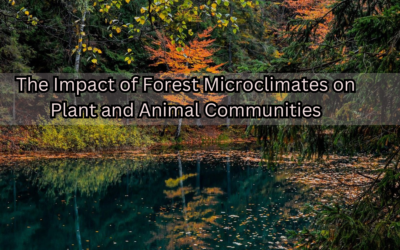
The Impact of Forest Microclimates on Plant and Animal Communities
Forests are more than just towering trees and leafy canopies. Beneath the surface lies an intricate network of smaller environments, known as forest microclimates, which shape the world of plants and animals. These microclimates, created by variations in light,...

How to Boost YouTube Channel Subscribers, Revenue, and Views with Simple Tools Like VidIQ and TubeBuddy
Boost YouTube channel! Growing a YouTube channel and maximizing its reach, engagement, and profitability can seem daunting, but with the right strategies and tools, you can make impressive strides. Platforms like VidIQ and TubeBuddy, along with other powerful...
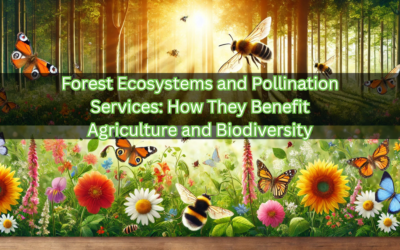
Forest Ecosystems and Pollination Services: How They Benefit Agriculture and Biodiversity
Pollination is a vital process that directly affects agriculture and biodiversity. It’s the movement of pollen from one flower to another, leading to fertilization and the production of seeds and fruits. Without pollination, many of the plants we rely on for food, and...
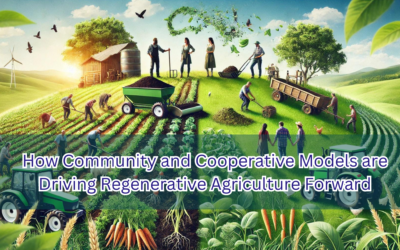
How Community and Cooperative Models are Driving Regenerative Agriculture Forward
Regenerative agriculture is all about creating healthy soils, resilient ecosystems, and sustainable food systems. But making the shift to these practices can be challenging, especially for small-scale farmers. That's where community and cooperative models come in....
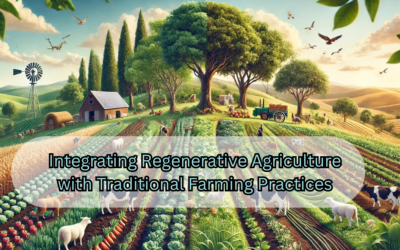
Integrating Regenerative Agriculture with Traditional Farming Practices
Traditional farming methods and regenerative agriculture can work hand in hand to build more sustainable, productive, and culturally relevant farming systems. By blending these two approaches, farmers can improve soil health, boost biodiversity, and preserve local...
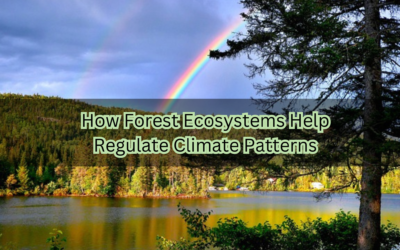
How Forest Ecosystems Help Regulate Climate Patterns
Forest ecosystems are essential for regulating both local and global climate patterns. By absorbing carbon, influencing rainfall, and stabilizing temperatures, they play a crucial role in maintaining environmental balance. Protecting and restoring these ecosystems is...
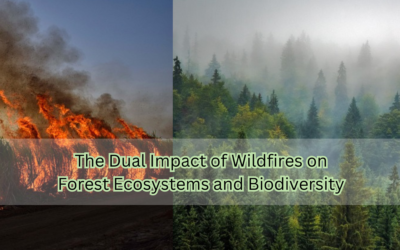
The Dual Impact of Wildfires on Forest Ecosystems and Biodiversity
Wildfires are natural occurrences that have shaped ecosystems for millions of years. However, with increasing frequency and intensity, particularly due to climate change, these events can bring both devastation and renewal to forest ecosystems. Understanding how...