
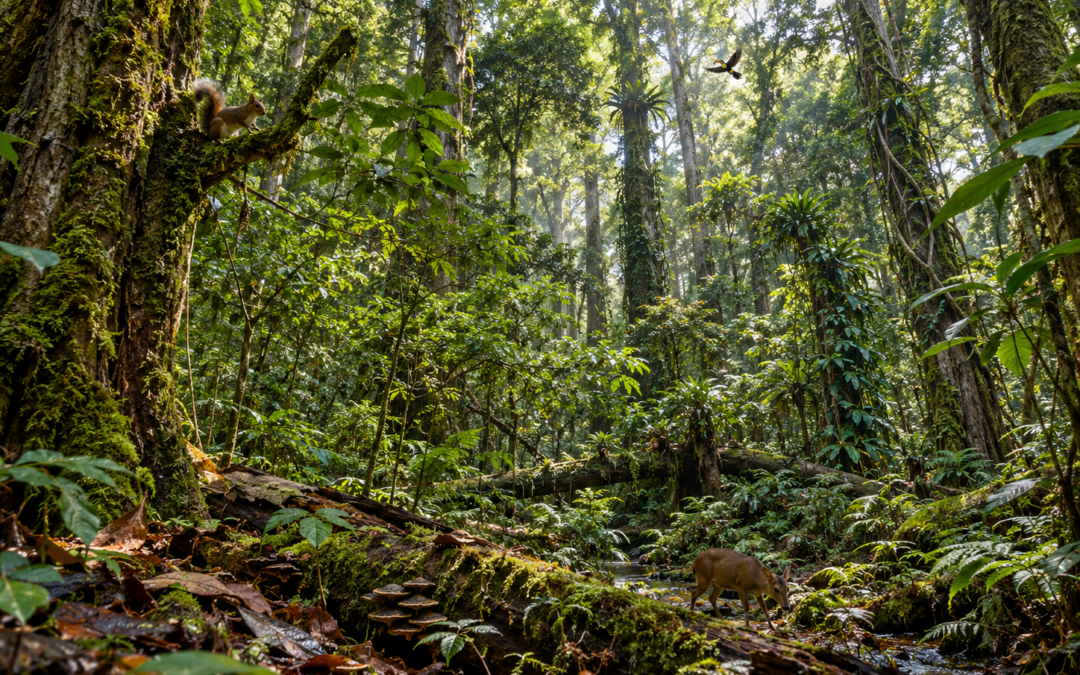
Forest Canopy Layers and Wildlife Habitat: Why Vertical Structure Matters
A forest is much more than a group of trees growing side by side. Vegetation is arranged vertically from the tallest crowns through smaller trees and shrubs to herbs, vines, fallen wood, and leaf litter on the forest floor. Each layer provides different combinations...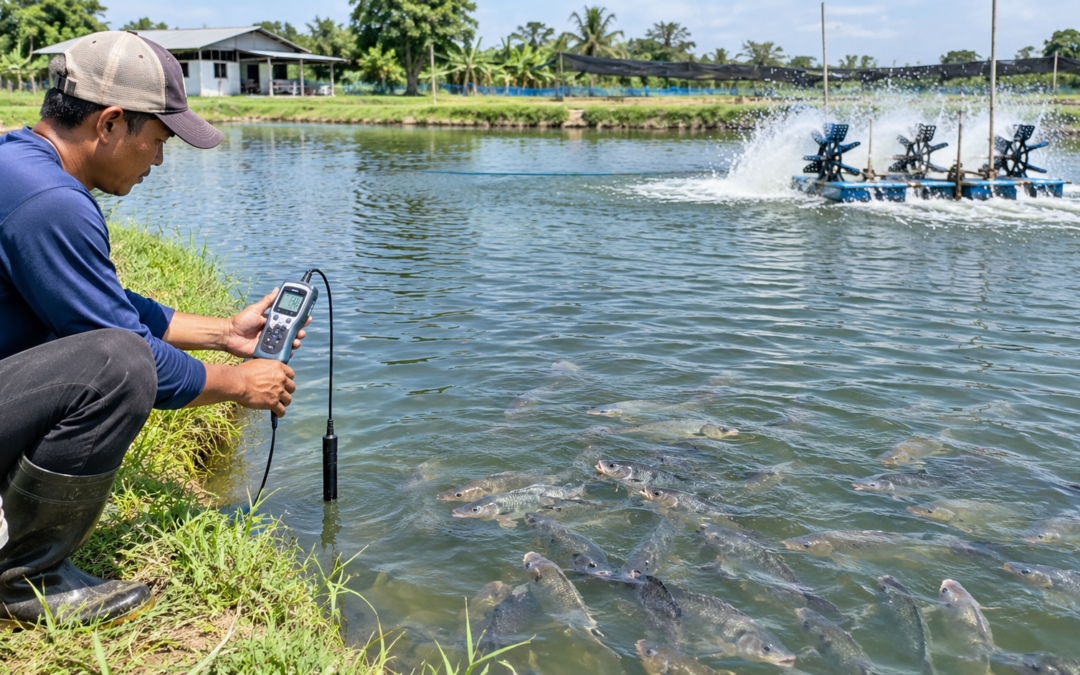
Fish Pond Water Quality Management for Better Growth and Disease Prevention
Water quality is one of the most important factors in successful fish production. Fish live continuously in the water around them, so changes in dissolved oxygen, temperature, pH, ammonia, and organic matter directly affect feeding, growth, stress, and survival....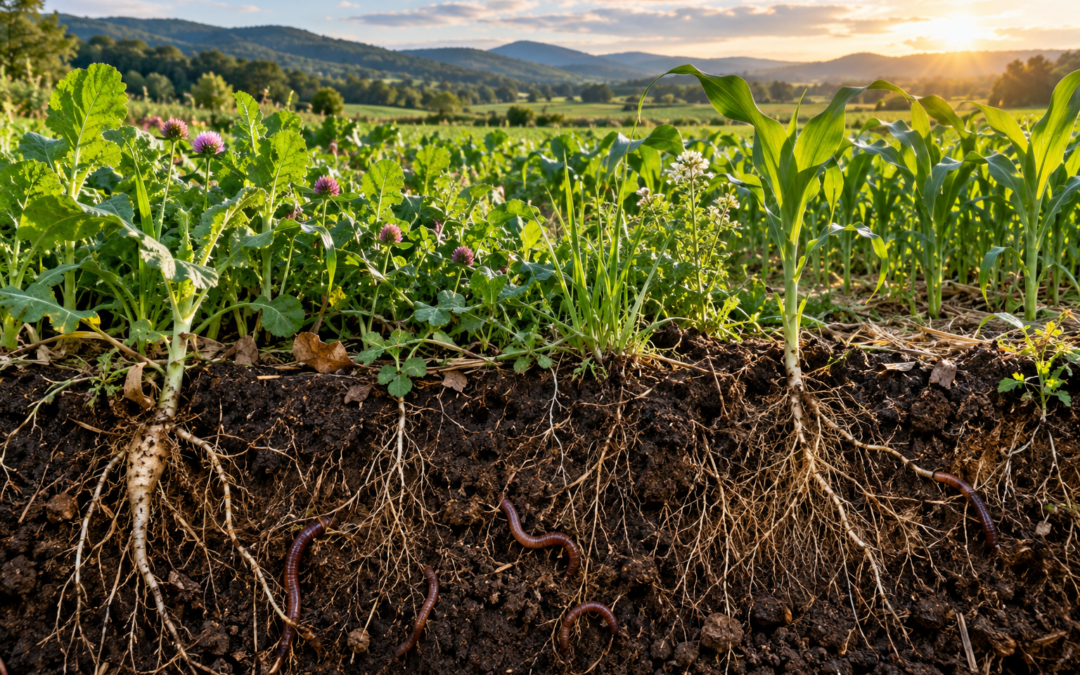
Building Healthy Topsoil Through Regenerative Farming
Healthy topsoil is one of a farm’s most valuable resources. It supports root growth, nutrient cycling, biological activity, and the movement and storage of water, yet it can gradually lose function through erosion, compaction, excessive disturbance, and declining...
The Vital Role of Forest Canopies in Ecosystem Health
Forests are often referred to as the lungs of the Earth, but their role goes far beyond oxygen production. At the heart of a forest’s ecosystem is the canopy—a dense layer of trees and vegetation that forms a critical habitat for countless species. The forest canopy...Click Here To Join EAT – Our Online Learning Community

Join our EAT Community